

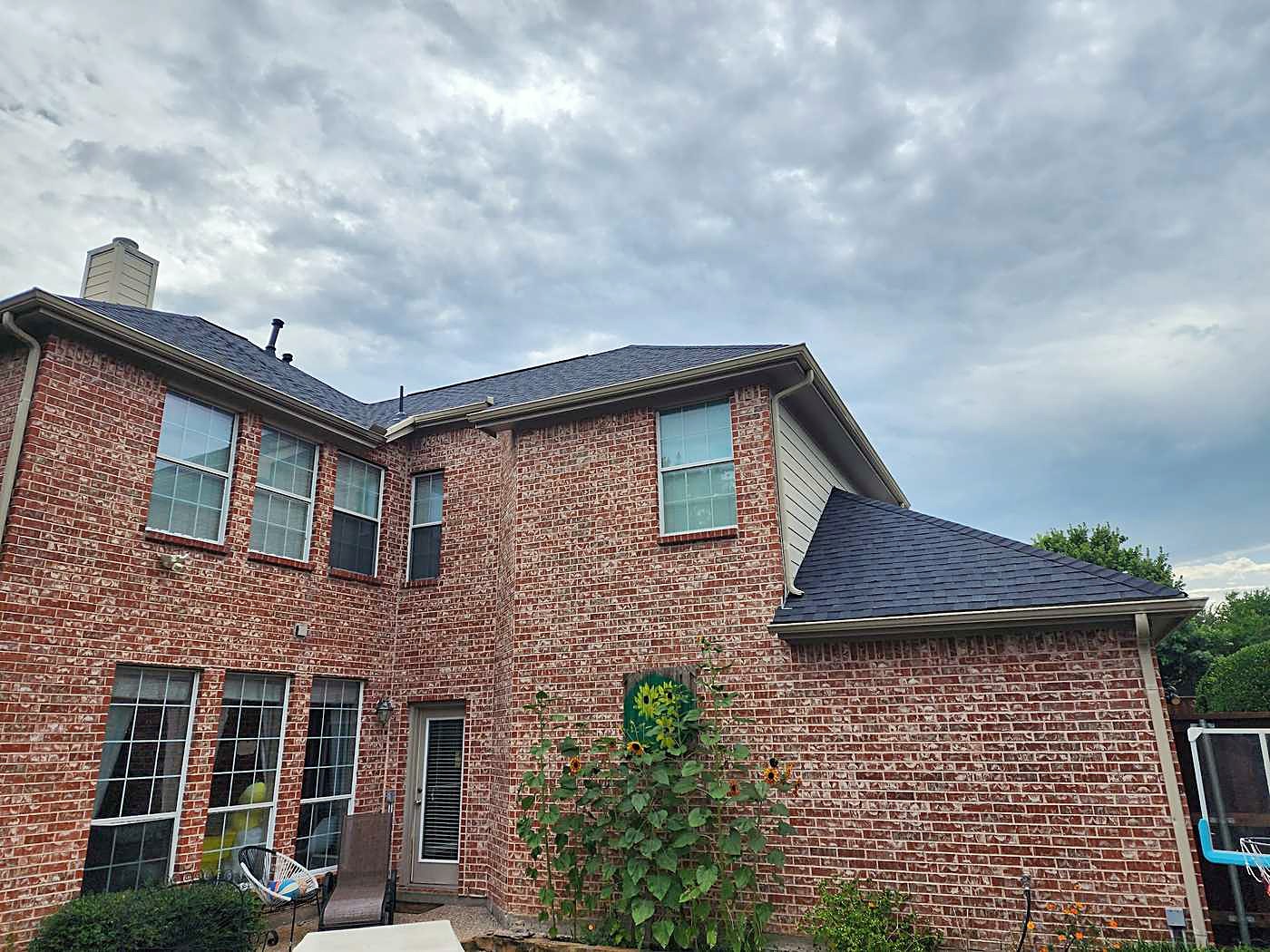
Does a hail damage claim raise home insurance rates?
A single hail claim does not usually raise your individual premium the way an at-fault claim can, because hail is a weather event you did not cause. Texas also limits how insurers can act on claims from natural causes. Rates across a whole area can still rise after a bad hail year, whether or not you file, so skipping a legitimate claim rarely protects you from that.
Weather claims are treated differently from at-fault claims
Insurers price risk in two ways: the risk of the area you live in and the risk of your household. A kitchen fire or a pipe that burst because of neglect says something about the household. A hailstorm that hit every house on the street says something about the area, and very little about you.
That is why a single hail or wind claim is generally treated differently from a claim a homeowner caused. Texas has rules on how insurers may use claims that result from natural causes, including limits on refusing to renew a policy over them. The exact protections depend on how many claims you have filed and over what period, so your agent is the right person to ask about your policy.
Area rates rise after bad storm years whether you file or not
North Texas has had several expensive hail years, and carriers adjust rates for whole regions when their losses rise. That increase lands on everyone in the rating area, including homeowners who never filed.
Put simply, not filing a real claim does not buy you a lower rate. It means paying for storm damage yourself while paying the same regional increase as your neighbors who did file.
An inspection is not a claim
Having a roofer inspect your roof after a storm does not create a claim or show up in any insurance database. Neither does asking a roofer whether the damage looks like it would be covered.
A claim is opened when you report the loss to your carrier. The sensible order is inspection first, then a claim only if the inspection finds storm damage worth filing on.
When a claim may not be worth filing
If the damage is small and the repair costs less than your deductible, filing gains you nothing. Many Texas policies now carry a percentage wind and hail deductible, often one or two percent of the dwelling coverage, which on a $500,000 home can be $5,000 to $10,000.
Check your declarations page for the deductible before deciding. A free inspection will tell you roughly how large the damage is, which is what you need to compare against it.
Related questions
Will my insurer drop me for one hail claim?
It is unlikely for a single weather claim, and Texas limits how insurers can act on claims from natural causes. Several claims in a short period is a different situation. Ask your agent how your carrier handles it.
What is a percentage deductible?
A wind and hail deductible set as a percentage of your dwelling coverage rather than a flat amount. At two percent on $400,000 of coverage, the deductible is $8,000.